Sri Lanka in Two Weeks: The Southern Coast Itinerary
By AquaTrek · Hikkaduwa locals
Two weeks in Sri Lanka is a comfortable amount of time to see the south coast properly without rushing. The mistake most first-time visitors make is trying to cover the whole island — Kandy, Ella, Sigiriya, the south coast, and the east coast — in the same trip, spending half their time on overnight buses and arriving at places too tired to appreciate them. This itinerary does not do that. It takes the south coast seriously, spends enough time in each place to settle in, and leaves room for the unplanned things that make a trip.
The itinerary runs from Colombo to the southeast and back, using the south's best assets: the coastal railway, the lagoon at Rathgama, the fort at Galle, the whales off Mirissa, and the wildlife of Udawalawe and Yala.
The best season to run this itinerary is November through April — specifically February and March for optimal conditions across all activities.
Days 1–2: Colombo
Arrive, recover, explore.
Almost all international flights arrive at Bandaranaike International Airport (CMB), 30 km north of Colombo. Allow a full day to adjust after the long-haul flight before doing anything demanding.
Day 1 is for orientation: the airport arrival, the 45-minute taxi to the city, hotel check-in, a walk around whatever neighbourhood you are staying in, and sleep. Colombo repays a day of wandering — it is not the colonial showpiece of Galle Fort, but it is a real, functioning South Asian city with excellent food, interesting architecture across several eras, and a coastline of its own.
Day 2: Use the morning for the things in Colombo that are worth seeing:
- Gangaramaya Temple — an eclectic 19th-century Buddhist temple on the edge of Beira Lake, with a museum of extraordinary donated objects from donors worldwide: cars, trucks, clocks, coins, ivory, and bronze Buddhas all in the same space.
- Pettah Market — the dense commercial district south of Colombo Fort, where streets specialise by product (spices on one street, fabric on the next, electronics, hardware, dried fish). Chaotic, vivid, and genuinely not tourist-oriented.
- Galle Face Green — a large ocean-facing park north of the Fort, where Sri Lankan families come in the late afternoon to eat corn on the cob, fly kites, and watch the sunset. The best samosa and wade (lentil fritters) in Colombo are sold from carts at the southern end.
Afternoon: buy a Dialog SIM card at any Dialog outlet (bring your passport). Load a 30-day data package. This is the most practical thing you can do on your first afternoon.
Days 3–5: Hikkaduwa and Rathgama Lake
Take the coastal train. This is not negotiable.
The train from Colombo Fort to Hikkaduwa takes 2.5–3 hours and is one of the best rail journeys in Asia. Buy a second class reserved seat at Colombo Fort station the day before departure (the unreserved carriages can get crowded). Sit on the right-hand side of the carriage travelling south — this puts you facing the ocean for much of the journey, sometimes close enough to see the surf breaking.
Trains run several times daily; the 7:00–7:30 AM departure from Colombo Fort arrives in Hikkaduwa before noon, giving you the full afternoon of your first day.
Day 3: Arrive, check in, beach. Hikkaduwa's main beach is a 10-minute walk from the railway station. The reef is immediately in front of the beach — snorkel gear hire from any of the shops along the road (around Rs 500/hour). The inner reef section in front of Coral Gardens Hotel is the best for fish life in 1–4 metres.
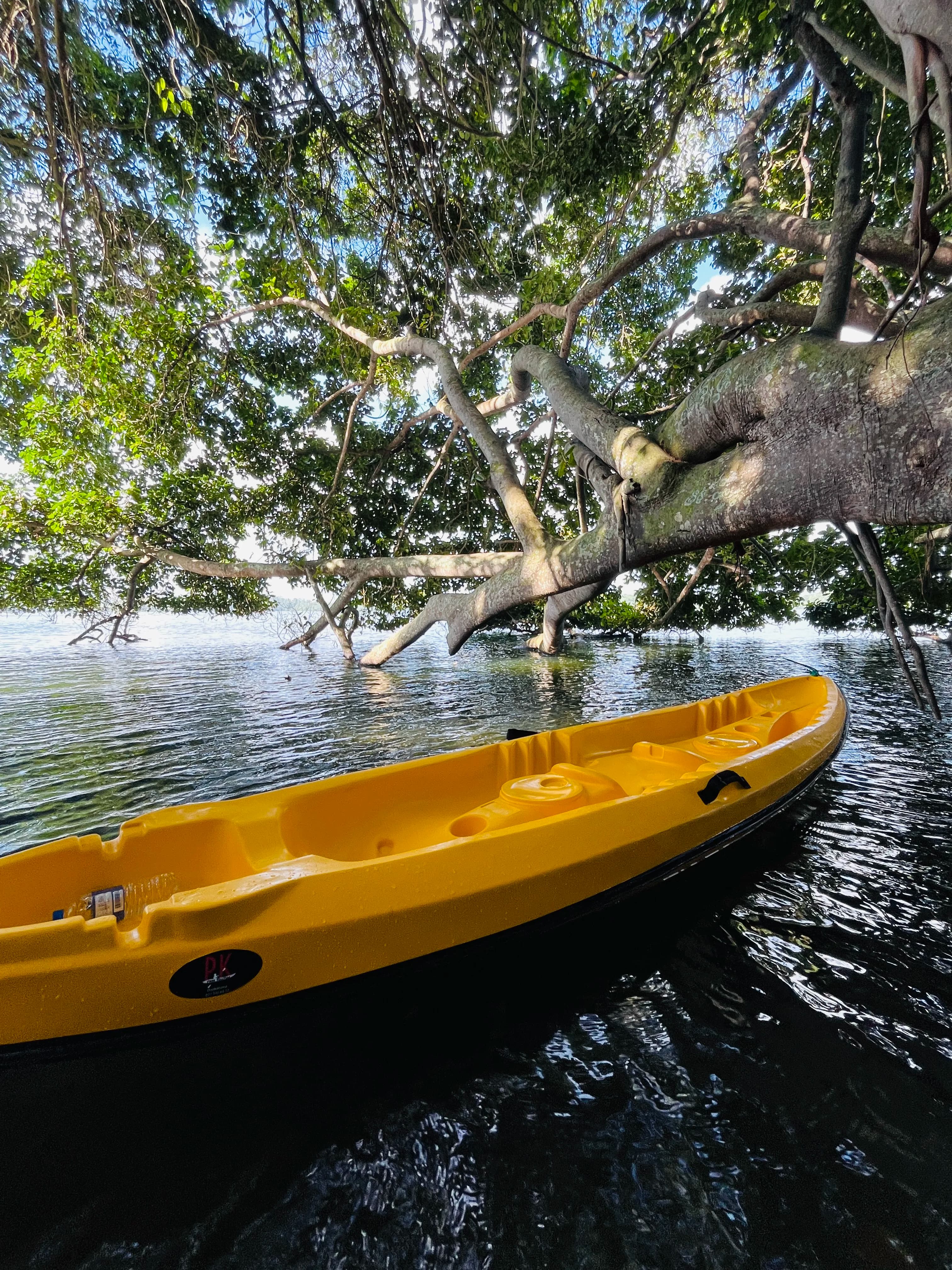
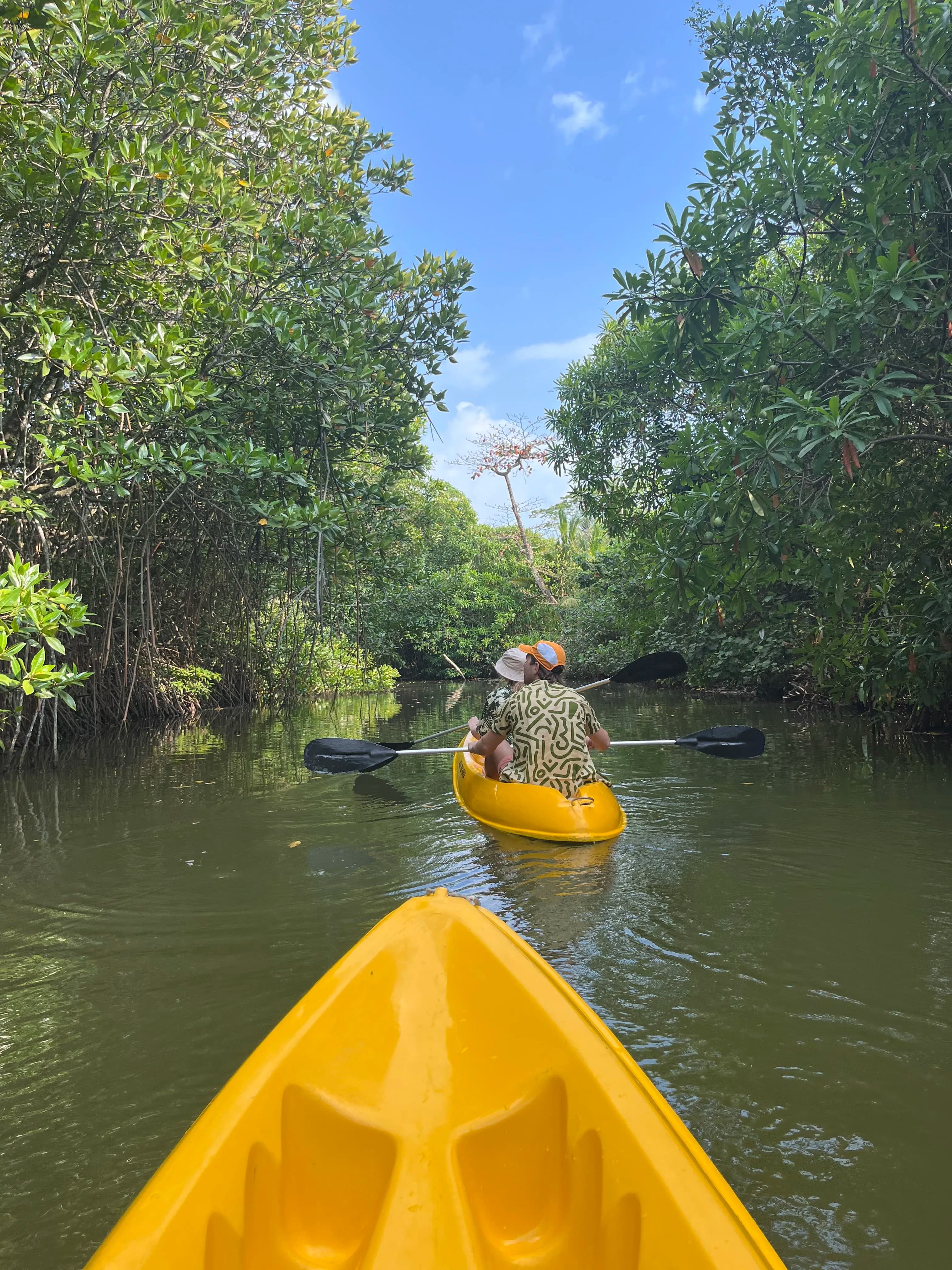
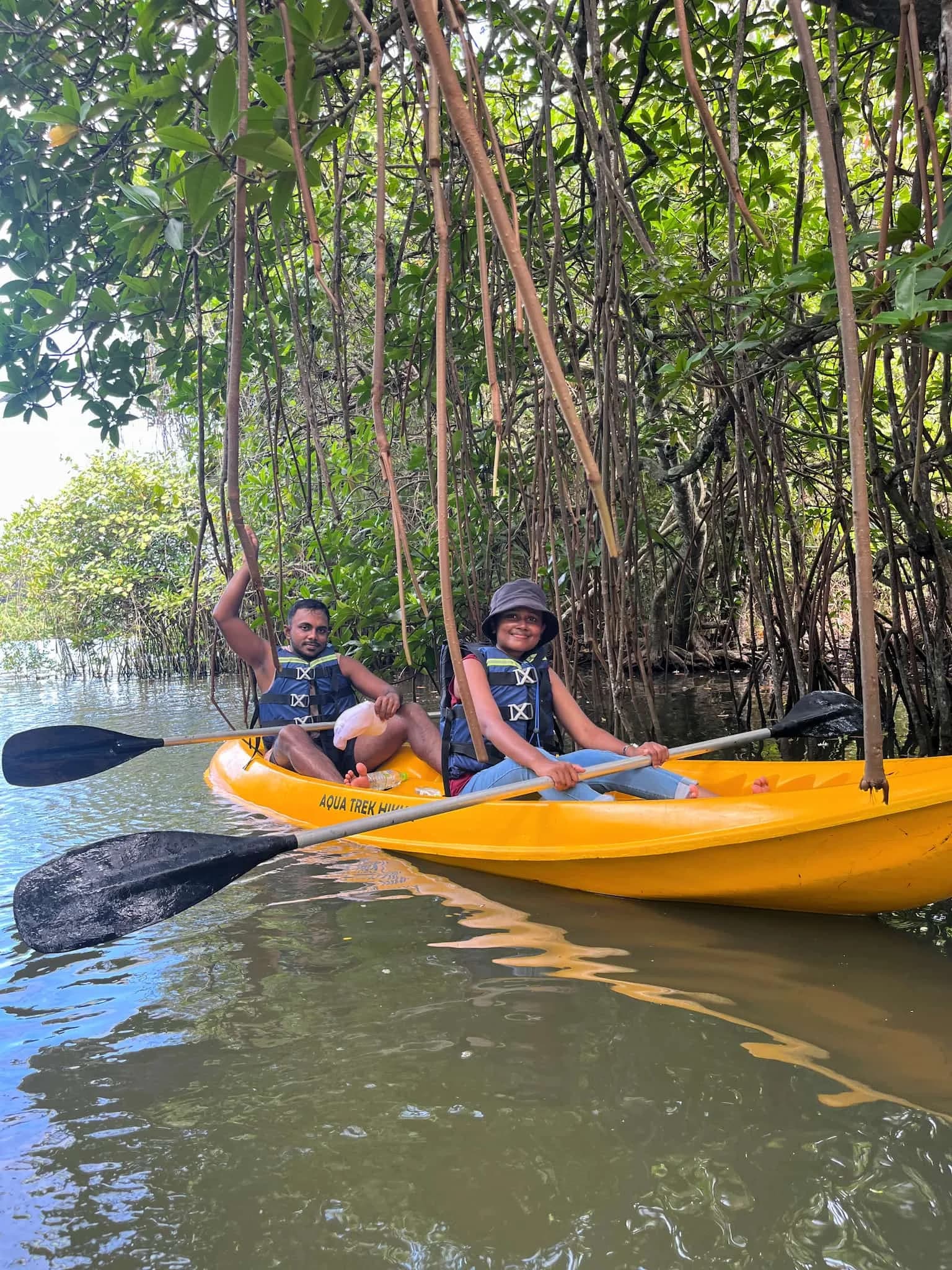
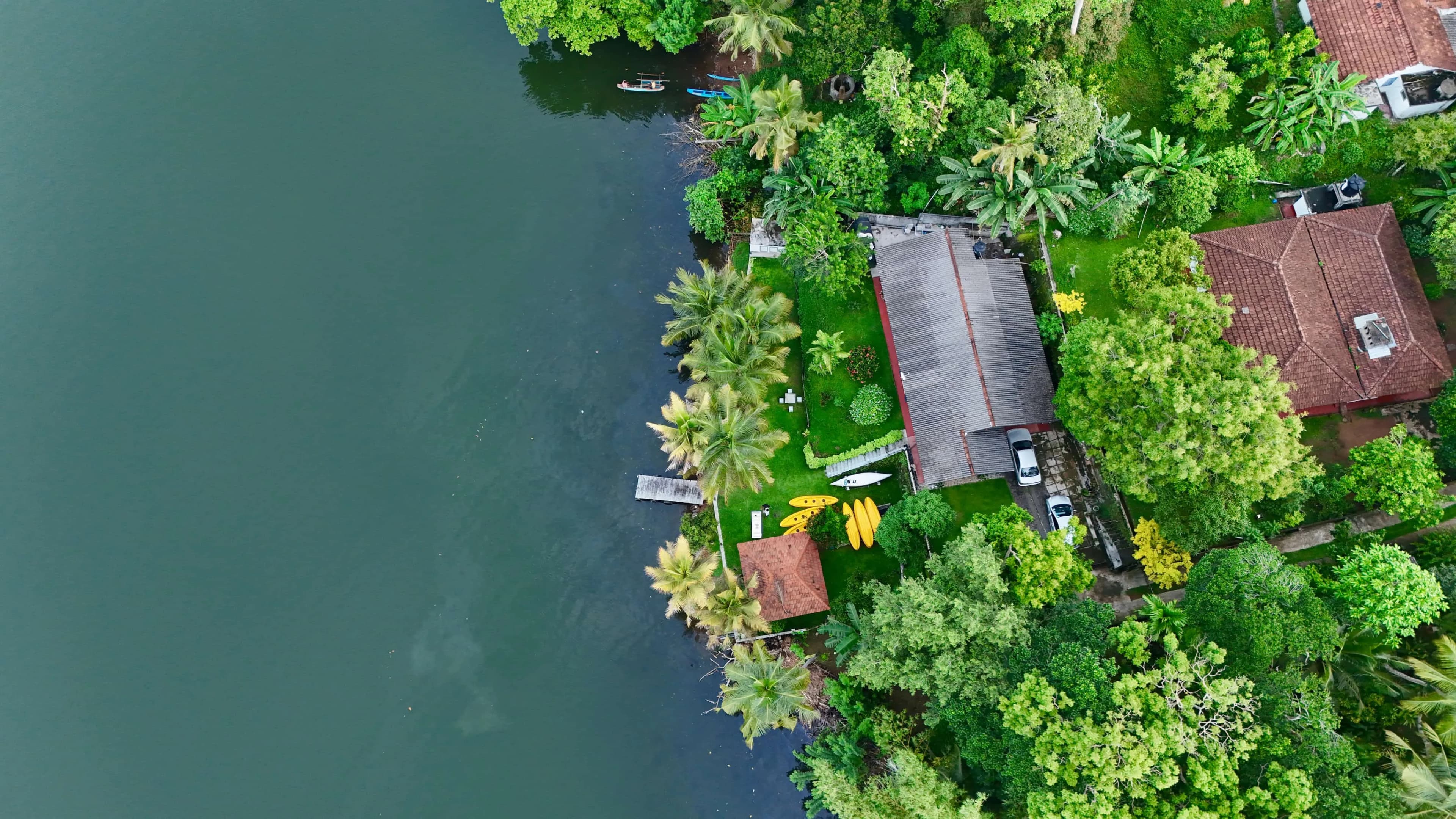
Day 4 — Rathgama Lake Sunrise Tour: This is the day to book for the AquaTrek Sunrise Wildlife Tour. Departure is 6:00 AM from the AquaTrek launch point on the lake shore — a 15-minute tuk-tuk from Hikkaduwa (Rs 250–350). You paddle for 2.5 hours through mangrove channels and open lake water, guided by people who know exactly where the kingfishers fish and where the monitor lizards bask. Back by 9:00 AM, which leaves the full morning and afternoon free.
Afternoon of Day 4: rest, or take the short tuk-tuk to Dodanduwa town and walk along the lake shore road. The lake is visible from several points, and the fishing community that lives on its banks is interesting to observe. Evening: the Sunset Banyan Tree Tour at 3:30 PM is worth considering if you want to see the lake twice — a completely different atmosphere from the dawn.
Day 5: Day trip to Galle Fort (30 minutes by train or tuk-tuk from Hikkaduwa). Walk the full ramparts in the morning before the heat builds. Visit the Dutch Reformed Church, the National Museum, and the streets between them. Lunch inside the Fort. Return to Hikkaduwa by late afternoon. The train back takes 30 minutes and runs roughly every hour.
Days 6–8: Galle
Move south. Stay inside the Fort.
Galle is worth more than a day trip — staying inside the Fort walls, or within walking distance, changes the experience completely. The Fort empties of day visitors by 6 PM and becomes a different, much quieter place in the evening and early morning.
Day 6: Check in to Galle Fort accommodation. Afternoon walk through the streets — the interior grid is small enough to cover completely in 2–3 hours without rushing. The ramparts at sunset. Dinner at one of the Fort's restaurants (bookings recommended in peak season).
Day 7: Morning visit to Kataluwa Purvarama Temple — a 19th-century image house 3 km north of Galle Fort with the most vivid mural cycle on the south coast, including the famous panels showing Dutch colonial officials as figures in Buddhist cosmological scenes. A remarkable place. Take a tuk-tuk (Rs 300–400 return) and allow an hour.
Afternoon: drive or tuk-tuk to Koggala Lake (15 km east of Galle), a large lagoon with an interesting boat trip through its islands — one of which holds a functioning cinnamon plantation and a small mask-carving workshop. Not Rathgama, but a worthwhile half-afternoon. Stilt fishermen work the surf at Koggala Beach immediately adjacent.
Day 8: The drive east to Unawatuna (5 km) and Weligama (25 km further) — a coastal meander by tuk-tuk or motorbike, stopping at beaches and viewpoints. Unawatuna's bay is calmer than Hikkaduwa's — good for swimming. Weligama for lunch by the water and a surf lesson if the timing works. Return to Galle by evening.
Days 9–10: Mirissa and Whale Watching
This is the one non-negotiable splurge if visiting between November and April.
Move accommodation to Mirissa (45 km east of Galle, 1 hour by tuk-tuk or bus). Mirissa is small — 2–3 streets, a beach, and a half-dozen restaurants — and most visitors come specifically for the whale watching.
Day 9: Arrive, check in, rest. The whale watching trip departs at 6:30 AM the following morning and requires being on the boat before sunrise — an early night is a good idea. Book your whale watching operator in advance; the better ones sell out during January–March. Ask your accommodation for a recommendation, or look for DWC-certified operators.
Day 10: Whale watching. The trip is typically 4–5 hours on the water, returning by early afternoon. Blue Whales are the primary target; Sperm Whales and Spinner Dolphin pods are also regularly encountered. Take seasickness medication the night before if you are at all susceptible — the open ocean swells can be significant.
Afternoon after the trip: Mirissa beach or recovery. The beach faces south and is beautiful.
Days 11–12: Udawalawe National Park
The reliable elephant experience.
From Mirissa, Udawalawe is approximately 2.5 hours inland. This section of the itinerary requires a hired car — the distances and the need for an early-morning game drive make a private vehicle the only practical option. Most accommodation in the Mirissa/Matara area can arrange a car with driver for the Udawalawe leg; expect Rs 8,000–12,000 for the full day including park entry.
Alternatively, book a package through one of the lodges near Udawalawe that includes accommodation, transport, and game drives — this simplifies the logistics significantly.
Day 11: Drive inland to Udawalawe. Check in to lodge. Evening game drive (4 PM–6:30 PM) — the elephant herds come to the reservoir edge as the afternoon cools. Dozens of elephants at close range in the golden hour light.
Day 12: Early morning game drive (6 AM–9 AM) — the best time for elephant activity and for bird life. Return to the lodge for breakfast, then decide: continue to Yala (3 hours east), return to the coast, or head to Colombo.
Days 13–14: Return Journey and Final Coast Day
If you are based in Colombo for your final night before departure, the return journey gives you options:
Option A — Coastal return: Back through Galle and Hikkaduwa. Stop for a final sunset kayak on Rathgama Lake at 3:30 PM if the timing works. Overnight in Hikkaduwa, early train to Colombo the following morning.
Option B — Inland via Ratnapura: Through the gem-mining town of Ratnapura and the hill country foothills back to Colombo. A completely different landscape from the coast — rubber estates, tea smallholdings, the edges of the Sinharaja Rainforest. Takes about the same time by road.
Day 14: Colombo arrival, last meal, airport departure. Domestic flights from Colombo to the airport are available (15 minutes, worth considering for early departure) or taxi (45 minutes with no traffic, longer during peak hours — allow 2 hours buffer for early morning international flights).
What to Pack
Clothes: Lightweight, packable. The heat on the coast is significant year-round — anything heavy stays uncomfortable. One warmer layer for air-conditioned spaces and hill country evenings if you are venturing inland. Long sleeves and long trousers for temple visits.
Footwear: Sandals for beach and town; closed-toe shoes for any walking. Flip-flops should come off easily for temple entries.
Medication: Sun protection (high SPF, reef-safe), mosquito repellent (DEET effective), oral rehydration sachets (for any stomach issue), anti-diarrhoeal, antihistamine, paracetamol/ibuprofen. A travel first aid kit. Prescription malaria medication is advisable for any interior travel beyond the main tourist areas.
Electronics: Universal adapter (Sri Lanka uses UK three-pin sockets). Power bank — useful for long travel days. Action camera or waterproof phone case for the kayak tour and snorkelling.
Budget Guide (Per Person Per Day)
| Style | Daily Budget | |-------|-------------| | Backpacker (dorms, local food, buses) | $30–50 USD | | Mid-range (private rooms, restaurants, tuk-tuks) | $70–120 USD | | Comfortable (boutique hotels, AC vehicles, restaurant meals) | $150–250 USD |
The whale watching trip (approximately $40–60 USD per person) and the Yala/Udawalawe safari (approximately $60–100 USD per person including park fees) are the largest single-day expenses. Everything else on the south coast is modestly priced by international standards.
Frequently Asked Questions
Do I need to book activities in advance? For whale watching: yes, at least a week ahead during January–March. For the AquaTrek kayak tours on Rathgama Lake: 2–3 days ahead for weekends, same-day for weekdays in most cases. For Yala/Udawalawe accommodation: book ahead during peak season (December–March). Everything else can be arranged on the day.
Is Sri Lanka safe to travel alone? Yes. Solo travel is common and generally unproblematic on the south coast, including for solo women. Standard awareness applies: keep valuables secured, use reputable tuk-tuks, avoid deserted beaches after dark.
How much does a tuk-tuk cost? Agree on the price before getting in, or use the PickMe app (similar to Uber, widely available in tourist areas). Typical rate: Rs 200–350 for a 5 km trip, Rs 500–800 for a 10–15 km trip.
Can I do this itinerary with children? Yes, with adjustments. The kayak tour on Rathgama Lake is appropriate for children from around age 5. Udawalawe game drives work well with children — elephants at close range are genuinely thrilling. The whale watching is a long trip on open water and depends on sea conditions; some families with younger children prefer to skip it.
Can I extend this itinerary to three weeks? Yes — the obvious additions are Yala National Park (3 days), the hill country via Ella and Nuwara Eliya (3–4 days), or the east coast at Arugam Bay or Trincomalee (depends on the season — east coast is best May–September, opposite to the south coast).