Hikkaduwa's coastline runs for about 3 kilometres, and the character changes noticeably as you move along it. The southern end — closest to the main junction — is the most commercial: beach chairs, surf schools, glass-bottom boat touts, and guesthouses pressed close to the sand. The northern end opens up into a quieter, wider beach that many visitors never find. In between lies the reef, which is the reason most people come here in the first place.
The Reef: What's Actually There
Hikkaduwa Coral Sanctuary is a nationally protected marine park declared in 1979. It covers approximately 2.79 km² of fringing reef in water between 1 and 6 metres deep. The reef runs parallel to the beach for about 2 kilometres, accessible by snorkelling directly from shore — unusual for Sri Lanka, where most reef access requires a boat.
The coral is a mix of branching Acropora, massive Porites heads, and table corals. It has taken significant damage over the years — bleaching events in 1998 and 2016, plus decades of anchor damage from glass-bottom boats before the protected area was strictly enforced — but is recovering steadily, particularly in the northern sections away from the main tourist strip.
Resident species include:
- Parrotfish (Scarus and Chlorurus species) — vivid blue-green, often seen biting coral
- Surgeonfish — black-bodied with white tails, schooling in large groups
- Angelfish — Imperial Angelfish and Yellowmask Angelfish are reliably present
- Pufferfish — slow-moving, approachable
- Hawkfish — perched on coral heads, hard to spot until they move
- Moray eels — in crevices and under table coral overhangs
- Sea turtles — Green Turtles feed on seagrass patches and are seen most mornings
Best Snorkelling Spots
Coral Gardens section (northern reef, in front of Coral Gardens Hotel area): The most intact section of reef, with the best coral coverage and fish diversity. 1–3 metres of water over most of it. Accessible by wading out from the beach — you'll know you're there when the sand bottom transitions to reef.
In front of Hikkaduwa Beach Hotel: A slightly deeper section (3–5 m) with larger coral heads and more moray eel sightings. Better for confident swimmers.
Avoid: The reef directly in front of the main beach road junction. Glass-bottom boat traffic keeps the water churned and the fish skittish here.
Tip on crowds: The reef is dramatically better before 9 AM. Snorkelling during breakfast hours when most tourists are still at their guesthouses means you often have large sections entirely to yourself.
Glass-Bottom Boats
If you prefer to stay dry, glass-bottom boat tours operate from multiple points along the beach. The boats are narrow wooden craft with a glass panel in the hull — basic, but effective in clear water. Tours last 20–30 minutes and cost around Rs 1,000–1,500 per person.
The view is best in clear conditions (dry season, morning). Ask the operator which part of the reef they cover — the better operators take you to the Coral Gardens section, not just the degraded section in front of the main strip.
Surfing
Hikkaduwa is Sri Lanka's most accessible surf destination. The main break is a right-hander that breaks directly in front of the beach, best at 1–2 metres on a clean south swell. It is not a world-class wave but it is consistent, predictable, and ideal for beginners to intermediate surfers.
Where to surf:
- Main beach break: Consistent, beginner-friendly, always someone in the water to watch
- Narigama: 1 km south, slightly hollower wave on bigger swells
- Outside reef breaks: For experienced surfers only on larger swells — ask a local surf shop for current conditions
Season: November through April is the prime window — northeast monsoon keeps the sea relatively calm and the swell lines clean. The southwest monsoon (May–September) brings larger, messier swells that experienced surfers appreciate but that are not suitable for beginners.
Lessons: Multiple surf schools operate along the main strip, charging Rs 3,000–4,500 for a 1.5-hour beginner lesson with board and instructor. Ask to see their equipment first — boards vary significantly in quality.
Turtle Watching
Hikkaduwa is one of the most accessible turtle watching spots on the south coast. Green Turtles (Chelonia mydas) and Olive Ridley Turtles (Lepidochalys olivacea) nest on the beach between November and April. During the day, both species are commonly seen feeding on the reef — they are particularly relaxed around snorkellers and will often pass within a metre or two.
Hatcheries: Several volunteer-run hatcheries along the beach collect eggs from unprotected nests (eggs laid in locations vulnerable to tidal flooding or human disturbance), rebury them in protective enclosures, and release hatchlings at dusk. These operations are free or ask for a small donation. Hatchlings are typically released within 24–48 hours of hatching.
If you see a nesting turtle at night: Stay quiet, keep all lights off (including phone screens), and do not approach within 10 metres until the female has begun laying. Once laying starts, she is committed and can be observed quietly from a respectful distance. Flash photography is harmful to turtle navigation — do not use it.
The Beach Itself: North to South
Northern beach (beyond Thiranagama junction): The quietest and most beautiful section. Wide, firm sand backed by coconut gardens. Very few beach chair operators, minimal touts. The walk north from the main strip takes about 20 minutes and the transformation is immediate once you are past the last guesthouse cluster.
Central beach (main strip): The commercial heart — beach chairs, watersports hire, restaurants, and craft stalls. Can be crowded from 10 AM to 4 PM in high season. Functional rather than beautiful, but the most convenient access to the reef and surf school area.
Southern beach (near Hikkaduwa junction): The narrowest section, affected by erosion in recent years. The beach is sometimes submerged at high tide near the junction. Better to head north.
Tides and Timing
Rathgama Lake and the reef are both influenced by tides. For snorkelling, incoming tide brings clearer water from the open ocean; outgoing tide can stir up sediment from the reef flat. On spring tides (full moon and new moon), the tidal range is larger and the timing matters more.
A general rule: snorkel on an incoming tide, 1–2 hours before high water. For the reef this usually means mid-morning in December–February.
Beyond the Beach: Rathgama Lake
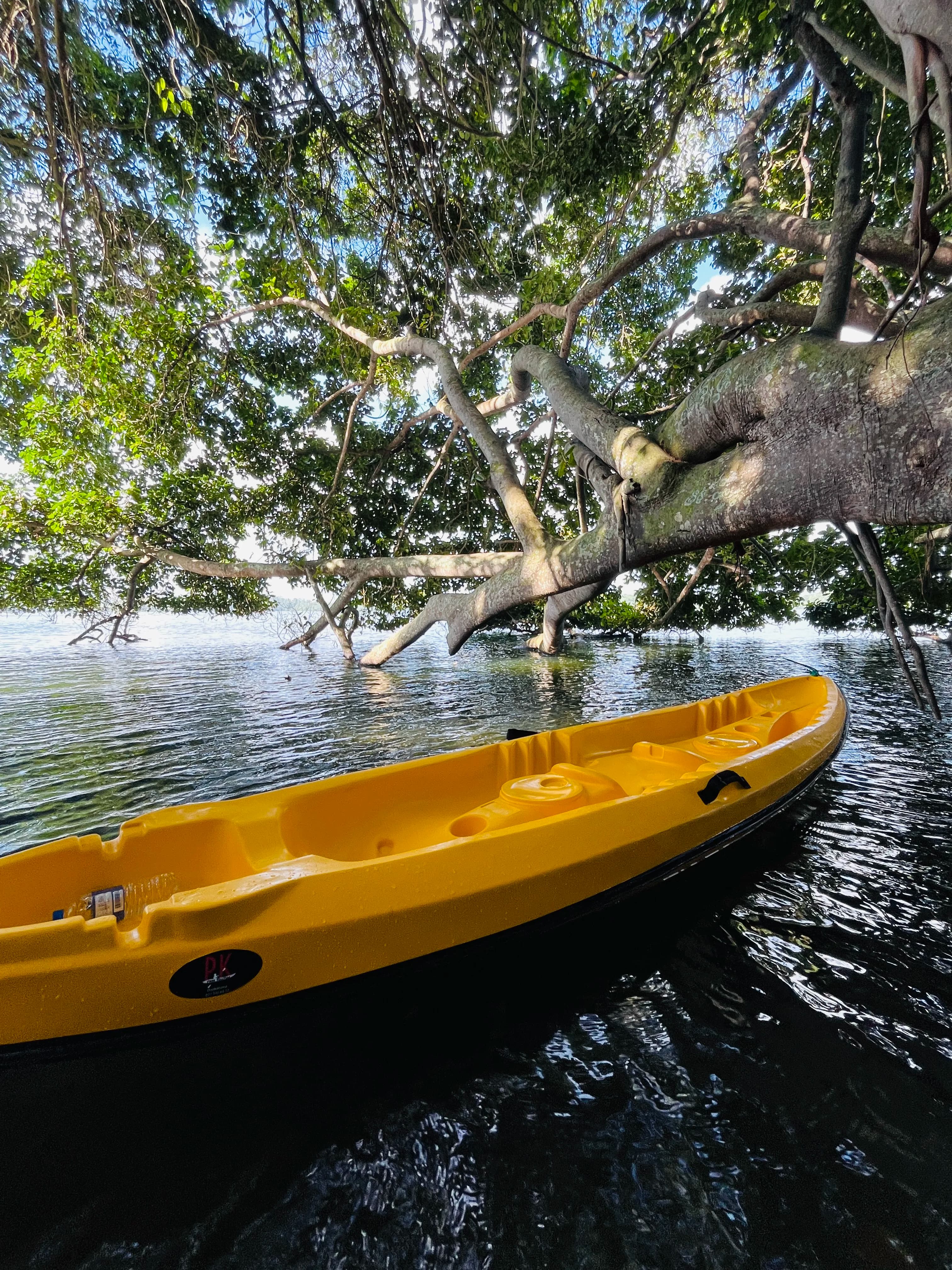
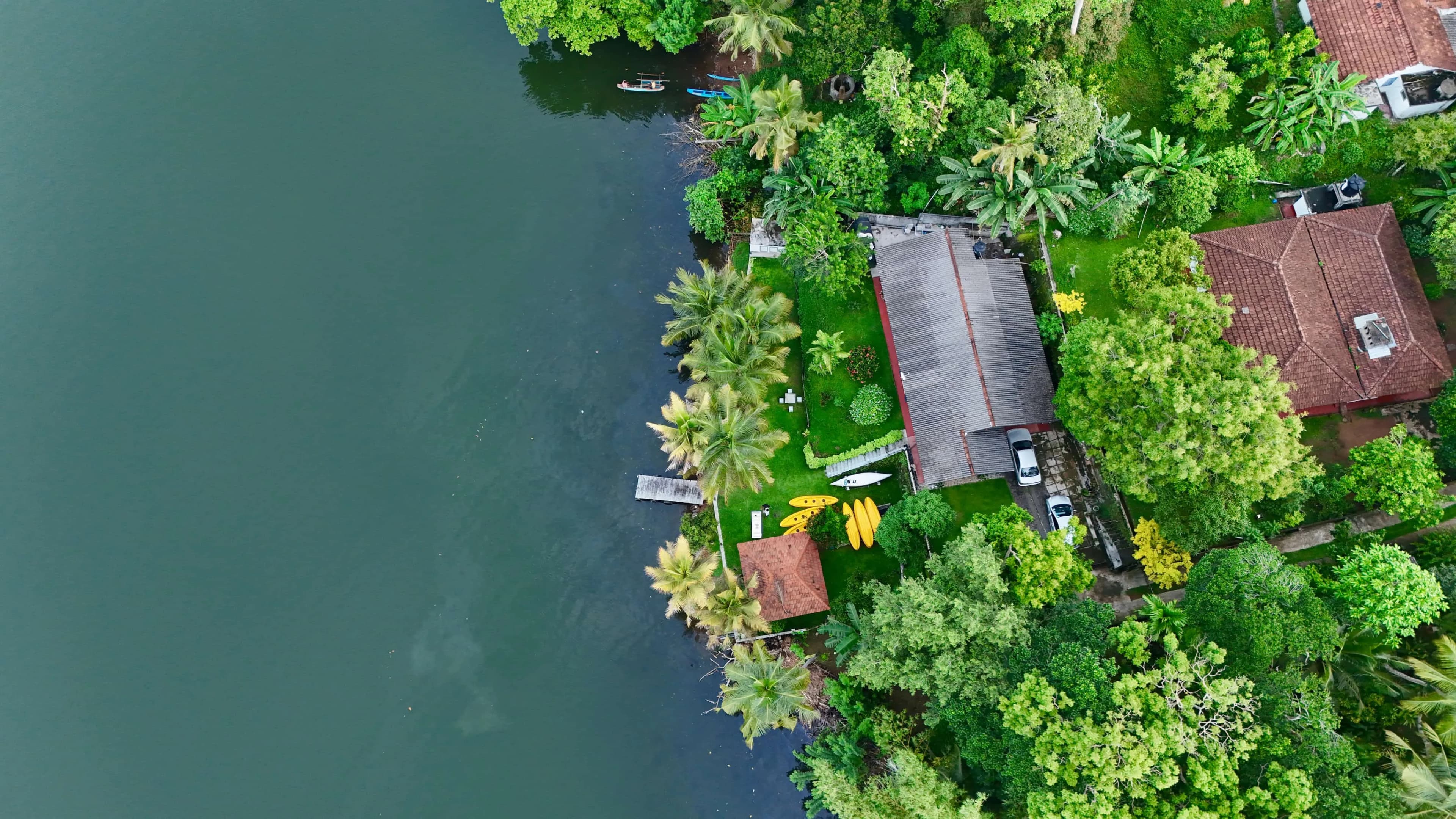
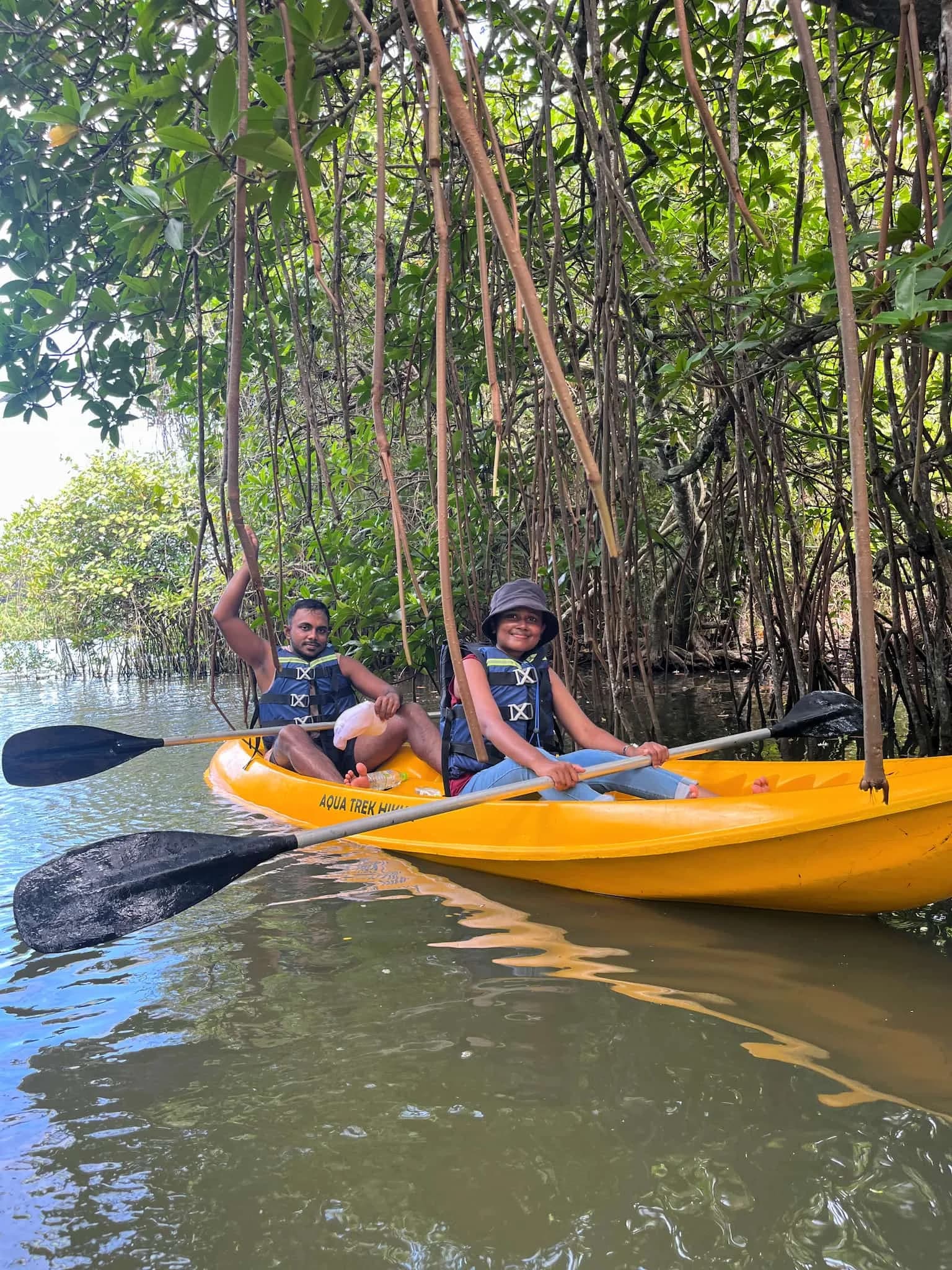
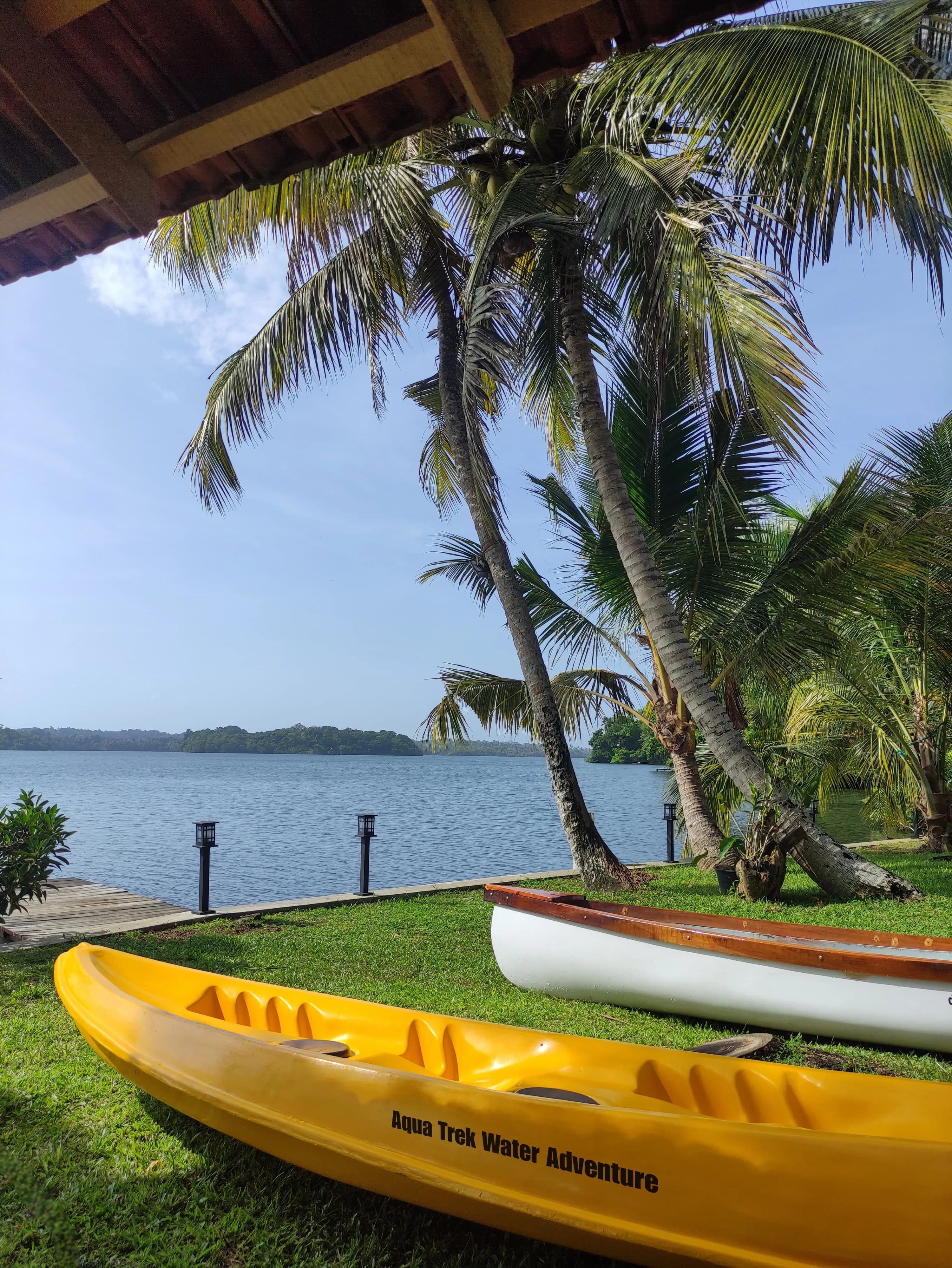
The beach gets the headlines but the lake is the sleeper hit. Rathgama Lake is immediately behind the beach strip — less than 10 minutes by tuk-tuk from the main beach road. Early morning kayak tours with AquaTrek cover the mangrove channels and open water in a completely different environment from the coast: calm, sheltered, surrounded by wildlife.
If you are spending more than two nights in Hikkaduwa, combining a sunrise lake paddle with an afternoon on the reef gives you an experience of the full coastal ecosystem rather than just one dimension of it.